


REPLACE OUTDATED IN-FLOOR JETS WITH NEW AND IMPROVED PARTS

Hydraulically-efficient in-floor cleaner replacements improve pool cleaning
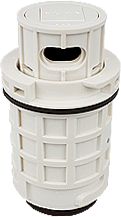
REPLACE
BLUE SQUARE

Part Numbers: 11420 GR, WT, BG, BK, BL
Removal Tool Part #1145099
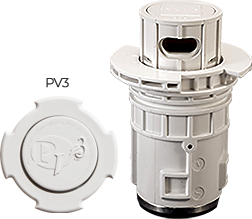
REPLACE
PARAMOUNT PV3

Part Numbers: 11520GR, 11520WT
Removal Tool Part #1145097
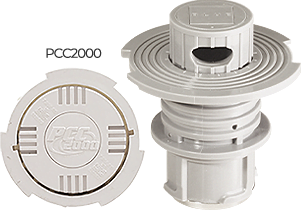
REPLACE PARAMOUNT
PCC2000 VANTAGE & VANQUISH

Part Numbers: 11550GR, 11550WT
Removal Tool Part #1145095
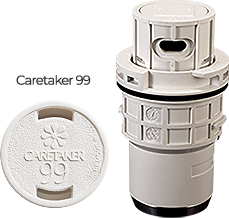
REPLACE
CARETAKER 99

Part Numbers: 11720GR, 11720WT
Removal Tool Part #1145099

REPLACE
A&A QUIKCLEAN 2

Part Numbers: 11620GR, 11620WT
Removal Tool Part #1145099
REPLACE
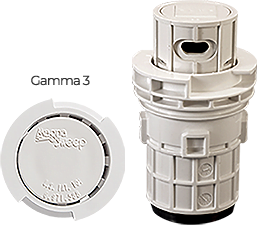
A&A GAMMA 3® + G4

Part Numbers: 11650GR, 11650WT
Removal Tool Part #1145099

WHY R360 JETS CLEAN BETTER

R360 jets are engineered for more jet velocity and better cleaning
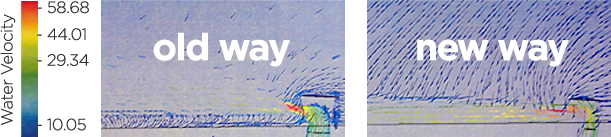
New jet delivers more cleaning velocity to the floor where it counts

UPDATE TO THE WORLD’S MOST EFFICIENT WATER VALVE

REPLACES CARETAKER™
1 1/2″ Valve OR A&A™ 5-PORT VALVE

C5 Valve Adapter Kit

Part Number: 1145110

REPLACES A&A™ 2″ AND 1 1/2″ 6-PORT VALVE AND

PARAMOUNT™ 2″ 6-PORT VALVE

Q360 Actuator Valve Complete

Part Number: 1130100

**Please reference the Paramount to Q360 Valve Conversion Sheet for Paramount 2″ 6-Port Valve Replumbing Schematic

In-Floor Pool Jet FAQs

A pool jet, often called a “return,” is the opening where clean, filtered water re-enters your pool. It works by using pressure from the pool pump to push water into the pool in a specific direction. This movement creates a current that helps mix chemicals evenly and pushes floating leaves toward the skimmer.

Most pool jets have a movable center called an “eyeball.” To adjust it, you typically loosen the outer ring by turning it counter-clockwise until the eyeball can wiggle. Point the jet at a 45-degree angle downward and away from the skimmer to create a circular flow around the pool. Once it is in the right spot, tighten the outer ring back down by hand.

Over time, calcium or algae can build up inside the jet nozzle. To clean it, turn off the pump and unscrew the outer ring and eyeball. You can soak these parts in a bucket with a mix of water and vinegar to dissolve any crusty white buildup. Scrub the inside of the wall fitting with a small brush before screwing the clean parts back in.

Installing a new jet into a pool wall is typically done during construction or a major renovation. A PVC pipe is run behind the pool wall and connected to a wall fitting that is plastered or bolted into place. After the pool is finished, the decorative eyeball and ring are screwed into that fitting to complete the installation.

A leak around a pool jet usually happens because the rubber gasket or the seal against the pool wall has failed. To fix it, you often need to lower the water level slightly below the jet. You then remove the fitting, replace the old rubber gaskets with new ones, and apply a bit of pool-safe silicone sealant if the wall surface is uneven.

If you see bubbles coming out of the jet, air is likely getting into the pipes on the “suction side” before the pump. This is often caused by a low water level in the pool or a loose pump lid. If the jet is not working at all, your pool filter might be dirty and clogged, or a basket in the skimmer or pump might be full of debris.

Removing a jet is usually a simple “unscrew” process. With the pump off, use a specialized jet removal tool or a pair of pliers to turn the inner part of the fitting counterclockwise. Once it is out, you can screw in a new one. Make sure to choose a replacement that matches the thread size of your wall pipe, which is usually 1.5 inches.