


ENJOY BEAUTIFUL AMBER-COLORED POOL
LIGHTING AND PROTECT SEA TURTLES

When newly-hatched sea turtles emerge from their nests at night, they depend on the natural light of the ocean horizon to find their way to the sea. Typical pool lights can confuse new hatchlings and draw them dangerously inland. The Turtle-Safe Pool & Spa Light was developed to protect sea turtles in their natural coastal habitats from the adverse effects of artificial lighting. Learn more about our turtle-friendly pool light solutions below.

Blue Square Turtle-Friendly Light (Amber)
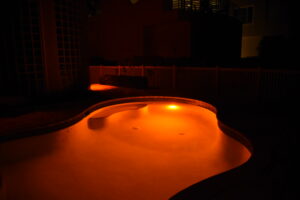
amber turtle friendly led pool light

Competition’s Turtle-Friendly Light
(less appealing to the eye)
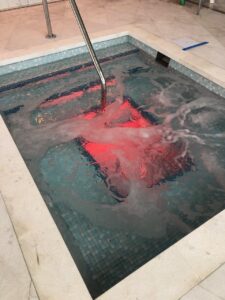
TURTLE-SAFE AMBER POOL LIGHTING
  • Uses only long wavelength “turtle friendly” LED Lighting

  • Longer lifetime/lower maintenance cost

  • True Amber “AllnGaP” LEDs

  • Optimal photometric distributions

  • Directional light distribution

  • More appealing color than the competition’s light

  • Wildlife Lighting Certifed

The Turtle Safe Pool & Spa Light
was developed to protect sea turtles

TURTLE-SAFE LIGHTS

Blue Square turtle lights work with our innovative quick-connect plug kit, allowing a quick change from an amber turtle-safe to a multicolor light after hatching season.
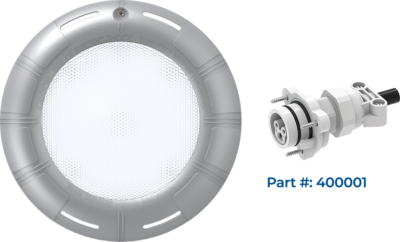
Wildlife Lighting Certification Number: 2019-003

VIVID 360 POOL LIGHT | WIDTH: 10.625”
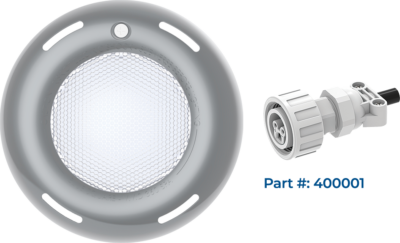
Wildlife Lighting Certification Number: 2019-004

VIVID 360 SPA LIGHT | WIDTH: 6.5”
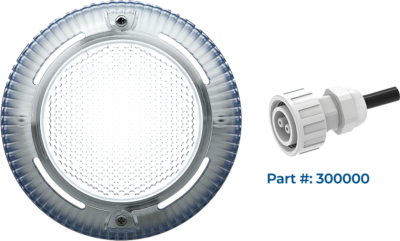
VIVID 360 NICHELESS LIGHT | WIDTH: 5”
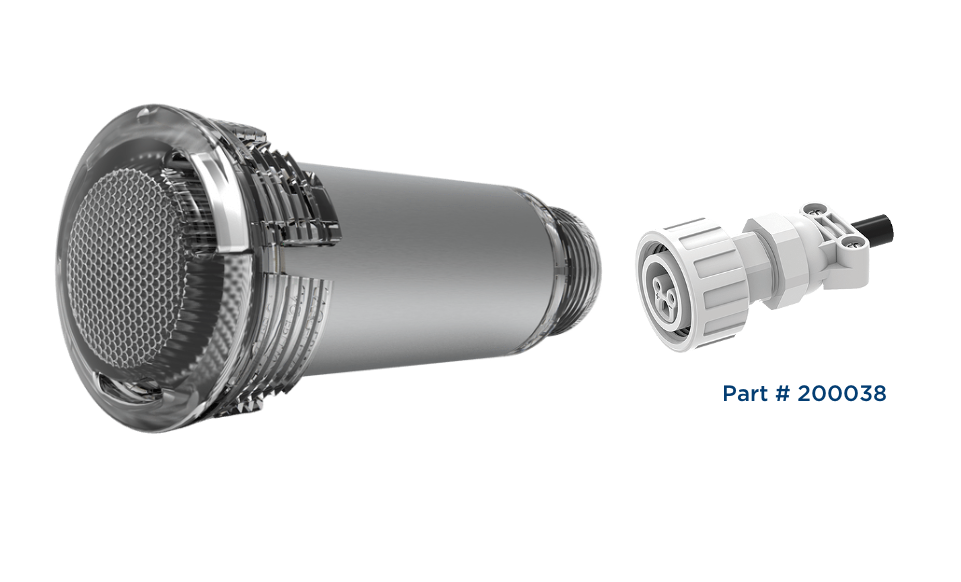
SPECTRUM 360 LIGHT | WIDTH: 6.5”

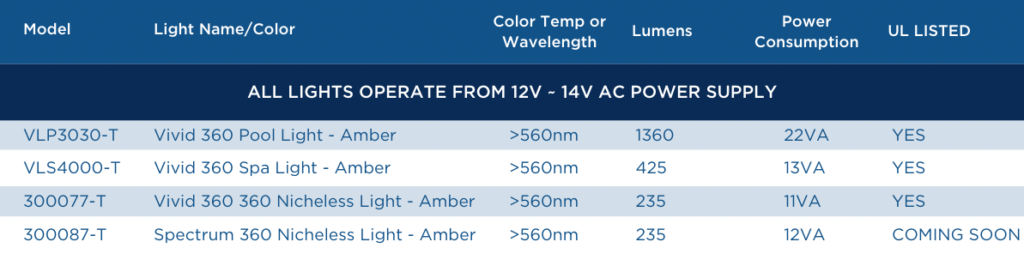
TECHNICAL SPECIFICATIONS FOR TURTLE-SAFE POOL & SPA LIGHTS
Turtle Pool Light FAQs

Yes, but specifically to bright, short-wavelength light (white, blue, and green). Their survival depends on an “attraction” to the brightest point on the horizon to find the sea. Unfortunately, a single backyard pool light can appear much brighter than the moon to a tiny hatchling, leading them away from the water.

Light pollution is one of the greatest threats to sea turtle survival.

  • Nesting Mothers: Bright lights can deter mother turtles from coming ashore to lay eggs. If they are spooked by lights, they may perform a “false crawl,” returning to the ocean without nesting.
  • Hatchlings: After hatching, baby turtles instinctively crawl toward the brightest horizon. On a natural beach, this is the moon and stars reflecting off the ocean. Artificial lights from pools and houses mimic this brightness, causing hatchlings to crawl toward land (disorientation) where they die from exhaustion, dehydration, or predators.

White and blue LEDs are extremely harmful to turtles because they emit short-wavelength light, which turtles are highly sensitive to. However, LED technology is also the solution. Specific “Turtle-Safe” LEDs are designed to emit only long-wavelength light (typically above 560 nanometers). These appear amber, orange, or red. Because turtles don’t see these longer wavelengths as well, they are far less likely to be confused by them.

Sea turtles can see red light, but they are significantly less sensitive to it than white or blue light.

  • Red/Amber Light: This is used for “turtle-safe” lighting because it has a long wavelength (560nm+). It provides enough light for human safety but is largely ignored by turtles, allowing them to navigate using the natural light of the horizon.
  • Infrared Light: Turtles have very little to no sensitivity to infrared light. While some research suggests they may have some near-infrared detection, it is generally considered invisible to them and does not cause disorientation.

If you are installing pool or patio lights near a beach, remember these three rules often enforced by wildlife commissions:

  • Keep it LOW: Mount fixtures as low to the ground as possible to reduce the “glow” visible from the beach.
  • Keep it SHIELDED: Use fixtures that direct light downward so the bulb itself cannot be seen from the sand.
  • Keep it LONG: Use only long-wavelength bulbs (Amber or Red LEDs) that are certified as “Wildlife Friendly.”

DOWNLOAD OUR

BROCHURE