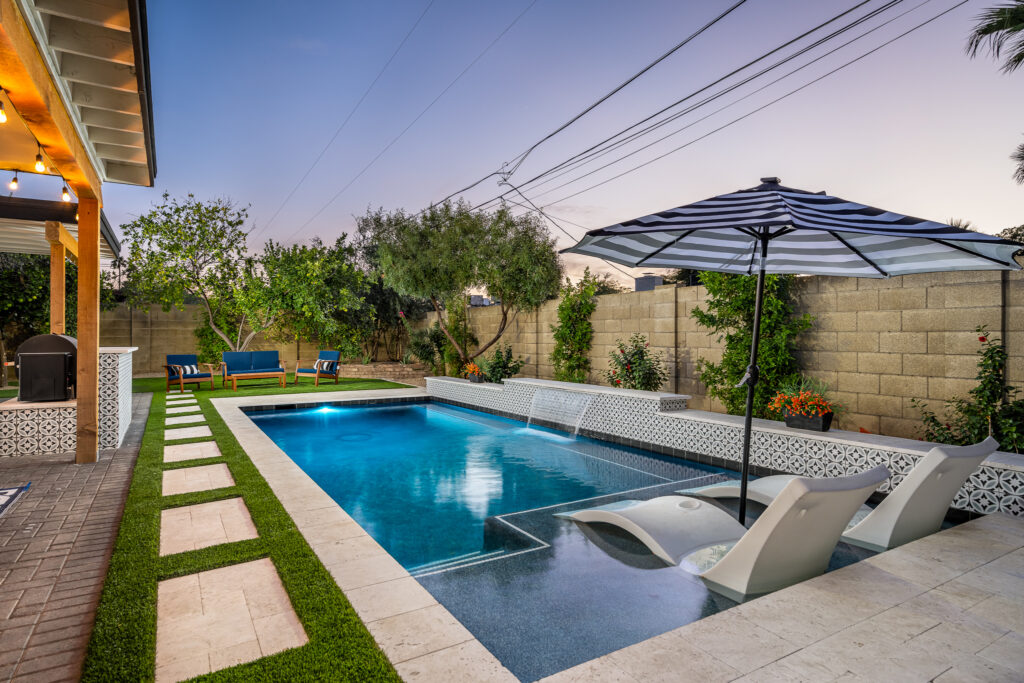



World-Class Pool Lighting & In-Floor Pool Cleaning Equipment
From LED pool & spa lights with patented plug kits to the HydroFusion Drain and Q360+ in-floor cleaning system, Blue Square is known for manufacturing some of the industry’s most innovative pool equipment.
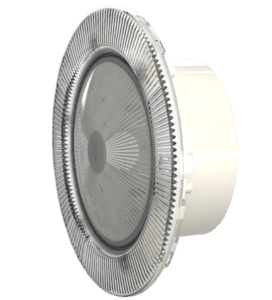

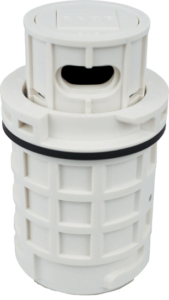

Let your pool clean itself with the world’s most efficient in-floor pool cleaner


EFFORTLESS FUNCTIONALITY, POWERFUL CIRCULATION.
A new standard in pool maintenance and circulation with an intelligent, user-friendly design.
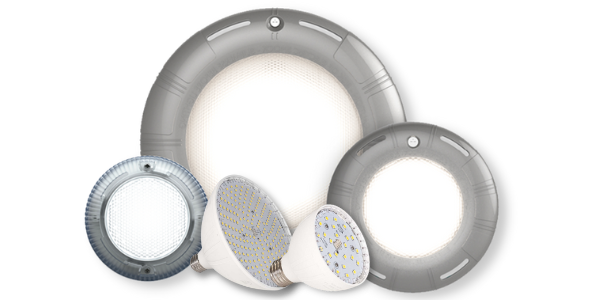

Bring color and life back to your yard with Vivid 360 pool & spa replacement lights
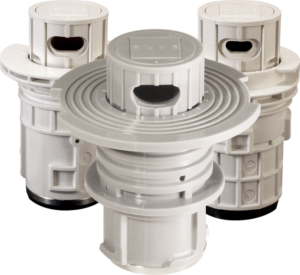

Improve cleaning and save money with the world’s most efficient in-floor replacement parts
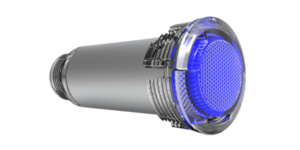
A spectacular, ultra-reliable lighting system that’s user-friendly & easy to install.
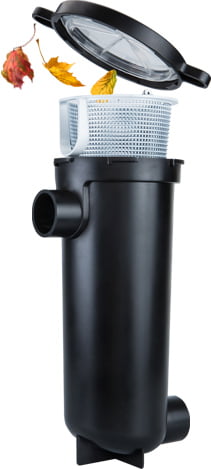

THE LARGEST CAPACITY STORAGE FOR POOL & SPA DEBRIS
Designed to push the heaviest debris to the bottom, increasing your pool’s energy efficiency.

Low-voltage pool and spa transformers are designed for illumination in or around swimming pools, spas, and fountains.
Award-Winning Pool & Spa Lights
Transform your pool experience with Blue Square’s pool lights, adding a personalized touch to your backyard atmosphere. Beyond providing visibility for nighttime swims, these lights enhance the aesthetic appeal of your outdoor space, complementing your pool design and elevating leisure time. Blue Square offers a range of pool lights, catering to various preferences with options like bold colors, white color temperatures, and customizable sizes. Designed with cutting-edge innovations and energy-saving technology, their inground pool and spa lights prioritize safety while delivering a customizable aesthetic experience.
Revolutionary In-Floor Pool Cleaning Systems

Blue Square offers an innovative in-floor pool cleaning system that ensures clean, clear, and healthy pool water effortlessly. The system, known as Q360 circulation, employs a unique cleaning head design that efficiently removes dirt and debris from the pool floor. These cleaning heads use powerful water sprays to direct particles towards the drain, utilizing water from the main pump and the venturi effect for a more potent cleaning spray. This dynamic combination enhances the pool’s cleaning power, saving both time and money for pool owners.
The Performance Jet has been engineered using computational fluid dynamics to be the most advanced cleaning jet ever created. Using innovations taken from the aerospace industry, captured more of the water energy and focus that energy on the floor of the pool. This, along with our innovative flush-mount collar, gives you more cleaning radius for less energy dollars.
The Abyss canister simplifies maintenance. Conveniently located by your equipment, the Abyss can be plumbed with multiple canisters to allow for heavier debris environments. Robot cleaners have tiny bags and require you to retrieve the robot from the bottom of the pool many times compared to simply removing the Abyss lid and emptying the basket once.
Check Out Our Latest Product Videos
What Pool Builders & Pool Owners Say About Us


Recent Blogs


About Blue Square Manufacturing

Blue Square Manufacturing is an innovative pool equipment manufacturer headquartered in Chandler, Arizona. From LED pool & spa lights with patented plug kits to the Eclipse Drain and Q360+ in-floor cleaning system, Blue Square is known for manufacturing the industry’s leading products.
Proud Partnerships with Top Industry Associations