
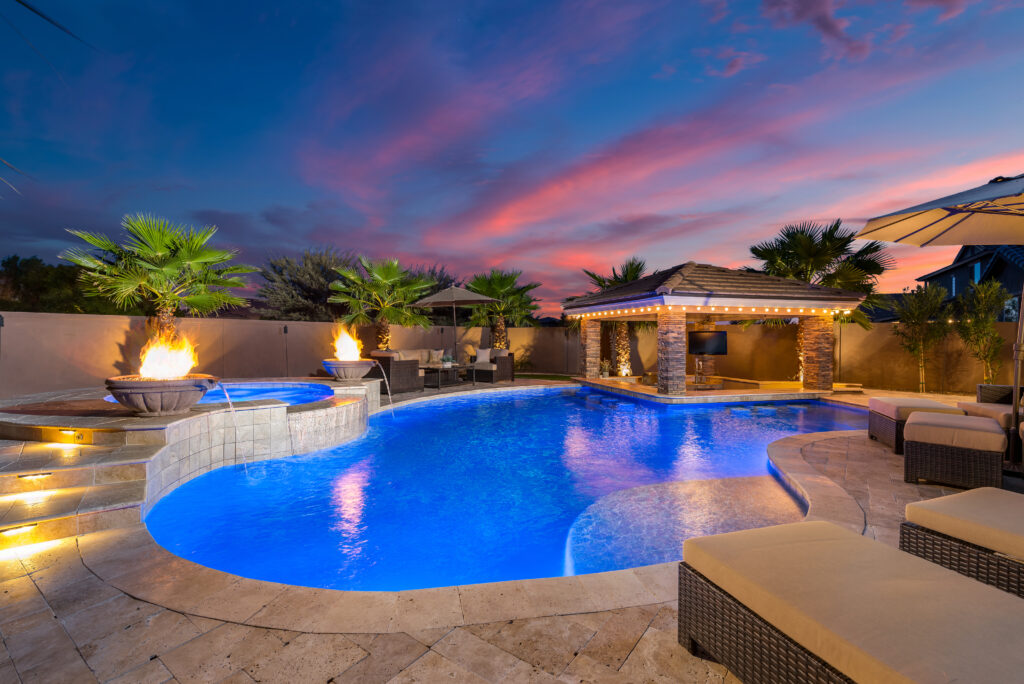
How Much Does a Pool Cost in Arizona? A Homeowner’s Deep Dive
If you’re an Arizona homeowner dreaming of a backyard oasis, you’ve likely asked: What will this cost me? Between sun-scorched summers and year‑round opportunity to swim, Arizona is one of the more favorable states for pool owners, but the upfront and ongoing price tags can be significant. In this article, we’ll break down as precisely as possible what homeowners in Arizona are paying based on recent data, the cost drivers, and how Blue Square Manufacturing’s pool product lines can help you optimize value.
Typical Price Ranges in Arizona
Inground Pools (the dominant choice)
Based on recent industry sources, here’s a practical snapshot:
- Presidential Pools reports that the average cost to build an inground swimming pool can range anywhere from $33,545 to upwards of $100,000 or even more; however, it depends heavily on the choices you make.
- Shasta Pools reports that in 2025, inground pools in Arizona average around $65,000, though the range is wide: $40,000 to $100,000+ depending on features and customization.
- For more baseline models, vinyl-lined pools are quoted in the ~$20,000–$40,000 range in some places, although those are less common in Arizona’s climate.
- Sun State Pools (Phoenix area) lists:
- Vinyl-lined pools: $25,000 – $35,000+
- Fiberglass pools: $30,000 – $50,000+
- Concrete (gunite/shotcrete) pools: $50,000 – $100,000+
- California Pools (which works in Arizona as well) states that their “standard” shotcrete pool starts around $55,000 (excluding site‑specific extras).
- Other aggregators and guides place in-ground Arizona pool costs somewhat more conservatively: $35,000 to $100,000+, depending on complexity.
So, for a “mid-tier, well-appointed” inground pool in Phoenix, Scottsdale, Mesa, or similar markets, a realistic expectation is $50,000 to $80,000+ (or more if many upgrades). Lower-cost versions might hit $30,000–$40,000, and ultra-luxury builds with elaborate features can exceed $120,000.
Above-Ground / Semi-Inground / Retrofit Options
While less common for permanent pools in Arizona, above-ground or semi-inground options can be less expensive:
- Above-ground pools generally range from $2,000 to $15,000 (installation included) depending on size, materials, framing, and site work.
- In many Arizona pool guides, the above-ground option is considered too limited for long-term value, especially given the demands of the desert climate.
However, if your property has constraints (e.g. access, structural, HOA or permit limitations), above-ground or semi‑inground may be worth exploring.
Key Cost Drivers & Breakdown
A big reason pools in Arizona have such wide variation is that many subtle and major variables influence cost. Below is a breakdown of major cost drivers.
1. Pool Type / Shell Material
| Material / Type | Typical Arizona Cost Range* | Pros / Cons |
|---|---|---|
| Gunite / Shotcrete / Concrete | $50,000 to $100,000+ | Maximum flexibility in shape, features, durability; longer build time, higher labor cost, potential for cracking or resurfacing |
| Fiberglass | $30,000 to $85,000+ | Faster install, lower maintenance, limited shapes/sizes, risk of gel‑coat fading or bonding issues in extreme soil movement |
| Vinyl Liner | $20,000 to $40,000 (or up to $60,000 with extras) | Lowest initial cost, liner replacement every 7–10 years (or more frequently in intense UV), less durable in Arizona environment |
| Hybrid Composite Options | Varies, often intermediate premium | May combine features (e.g. gunite shell + fiberglass inserts) but cost premiums apply |
*These ranges exclude site-specific add-ons, landscaping, and extensive custom features.
Because concrete (shotcrete/gunite) is extremely popular in Arizona for long-term resilience and design flexibility, many builders default to that in estimates.
2. Site Preparation & Excavation
Your lot’s characteristics deeply influence costs:
- Access & logistics: Tight backyards, fences, retaining walls, rock, difficult terrain, hillside lots, or limited equipment access can escalate costs.
- Earthwork and grading: You may need grade leveling, retaining walls, cut/fill operations, or rock blasting.
- Soil conditions: Arizona has varied soil types (hard caliche, rocky substrate, drainage issues). If more engineering is needed, costs go up.
- Existing structures / demolition: If there’s an old pool, patio, trees, or hardscape to remove, that’s extra.
These site costs can add $5,000 to $20,000+, depending on complexity. Shasta warns that preliminary costs (permitting, grading, soil testing) often surprise homeowners with $2,000–$8,000 overhead.
3. Equipment, Systems & Utilities
Pool mechanical systems are no small part of the budget. Components include:
- Pumps, filters, plumbing, valves
- Heaters (gas, electric, solar)
- Automation / control systems
- Lighting (LED, fiber optics)
- Water features (spills, waterfalls, vanishing edges)
- Deck returns, safety covers, skimmers, suction lines
- Electrical wiring and possibly trenching
These can add $5,000 to $15,000+ (or more for elaborate features).
4. Decking, Coping & Hardscape
How you finish around your pool adds significant cost:
- Concrete decking (broom, stamped, exposed aggregate)
- Pavers, tile, stone, travertine
- Steps, benches, raised edges, accent features
- Landscaping, irrigation, retaining walls, pergolas
Depending on finish choices, this portion may range $5,000 to $20,000+. In many quotes, deck + hardscape nearly equals the shell cost.
5. Permits, Inspections & Safety Requirements
Municipal requirements vary, but expect:
- Building permits and plan review
- Structural, plumbing, and electrical inspections
- Safety barriers / fencing (required by Arizona and local codes)
- Drainage / grading permit
- Impact fees in some jurisdictions
These overheads typically cost $300 to $1,500+, depending on your city and complexity.
6. Optional / Upgraded Features
These are what push a quote from “good” to “spectacular.” Examples:
- Spa, hot tub, or attached spa: $5,000 to $15,000+
- Waterfalls, boulders, grottos: $3,000 to $10,000+
- Slides, diving boards, tanning ledges: varies widely
- Custom lighting (fiber optic, color-changing): $700 to $2,000+
- Automatic covers, safety covers, robotic cleaners
- Salt systems, ozone, UV sanitization
- Artistic tile, specialty finishes (glass tile, mosaics)
- Smart home integration / remote controls
Each feature, depending on scope, can add anywhere from a few hundred to tens of thousands of dollars.
7. Labor & Local Market Conditions
Labor rates, contractor margins, and competition in your specific region (Phoenix, Tucson, Flagstaff, etc.) heavily affect pricing. Arizona has also seen rising material and labor inflation:
- Shasta notes that material costs (concrete, steel, PVC) have increased 10–20% in recent years.
- Tight labor markets push skilled labor premiums higher.
- Seasonal demand and backlogs can drive quotes upward, especially in high-demand months.
Example Cost Scenarios (hypothetical but grounded)
To make this more concrete, here are sample builds:
1. Basic, modest backyard pool (25’ × 12’, vinyl liner, minimal extras)
- Shell & liner: $25,000
- Equipment & plumbing: $5,000
- Decking (basic broom-finished concrete): $7,000
- Permits / fencing / site prep: $3,000
- Total: ≈ $40,000
2. Mid-tier custom pool (30’ × 15’, concrete shell, LED lighting, modest waterfall, automation)
- Shell & structural: $60,000
- Equipment & systems: $10,000
- Decking, coping & landscaping: $12,000
- Water features / lighting / extras: $5,000
- Permits, site prep, fencing: $5,000
- Total: ≈ $92,000
3. High-end resort-style pool (irregular freeform shape, attached spa, multiple waterfalls, glass tile, smart controls)
- Shell & structure: $120,000
- Equipment & specialty systems: $25,000
- Decking, stone work, hardscape: $30,000
- Water features / tile / lighting / extras: $20,000
- Site prep / access / fencing / permits: $10,000
- Total: ≈ $205,000+
These are illustrative; your actual quote will depend heavily on your lot, region, contractor, and design.
How Blue Square Manufacturing’s Pool Products Can Help You Optimize Cost & Value
When investing in a new pool, choosing the right products can significantly affect not only your upfront budget but also your long-term maintenance and enjoyment. Blue Square Manufacturing specializes in innovative pool solutions designed to deliver efficiency, reliability, and lasting value to Arizona homeowners. Here’s how our top products can make a difference:
Q360+ Pool Cleaning System


- Self-Cleaning Technology: The Q360+ is a state-of-the-art in-floor cleaning system that keeps your pool clear of debris automatically, reducing manual cleaning time and the need for external cleaners.
- Energy Efficiency: This system uses water flow to push dirt toward the drains, maximizing circulation and minimizing “dead spots,” which can help lower chemical use and save on energy bills.
- Maintenance Savings: With fewer pool surface contaminants and better circulation, you’ll spend less on chemicals, brushing, and equipment repairs over the years.
- Enhanced Pool Aesthetics: No unsightly robotic cleaners or hoses cluttering your pool—just a clean, beautiful finish all year long.
HydroFusion Pool Drain


- Advanced Safety: The HydroFusion drain combines main drain and debris removal functions into one ultra-safe design, virtually eliminating suction entrapment risks and exceeding industry safety standards.
- Cleaner Pool, Fewer Hassles: Its high-flow design captures debris efficiently, making your entire pool system more effective and easier to maintain.
- Streamlined Installation: The integrated design helps contractors install faster and more accurately, which can help control labor costs.
Abyss Canister


- Superior Debris Management: The Abyss Canister acts as a large-capacity pre-filter for your pool’s suction system, capturing leaves, hair, and debris before they reach the pump or filter.
- Reduced Maintenance: Less debris in your main filter and pump means fewer clogs, lower risk of equipment failure, and extended filter life—all saving you money and service headaches.
- Easy Access: Its oversized basket and clear lid make maintenance fast and hassle-free for homeowners and pool pros alike.
GalaxyBrite LED Lights


- Brilliant Illumination: GalaxyBrite LEDs offer vibrant, customizable color options and pure white light to transform your pool into a stunning nighttime oasis.
- Ultra-Efficient: These lights are engineered for low power consumption, saving you money on electricity every season.
- Longevity and Reliability: Built for Arizona’s harsh conditions, GalaxyBrite lights offer long service life and require less frequent replacement than standard pool lights.
- Smart Integration: Compatible with most pool automation systems for easy control and dazzling light shows at the touch of a button.
Light Transformers


- Safe, Consistent Power: Blue Square’s light transformers deliver reliable, regulated voltage to all pool lighting, protecting your investment from electrical surges or inconsistent power.
- Simple Upgrades: Designed for quick installation and compatibility with GalaxyBrite LEDs and other pool lighting brands, making future upgrades easy.
- Weatherproof & Durable: Manufactured to handle Arizona’s outdoor conditions, ensuring peace of mind and long service life.
Warranty & Reliability
- Because Blue Square components are factory-tested and designed for durability, unexpected repairs and warranty callbacks are lower, contributing to lower lifetime ownership costs.
- By selecting thoughtful product choices from Blue Square, a homeowner can reduce both the upfront unpredictability and the long-term surprises that often derail budgets.
The Blue Square Advantage
By integrating Blue Square products into your new pool project, you can expect:
- Lower Long-Term Costs: Efficient cleaning and lighting systems save on labor, chemicals, and energy.
- Superior Safety: Advanced drain and power systems protect your family and pool investment.
- Effortless Enjoyment: Self-cleaning and easy-maintenance features free up your time for swimming and relaxing, not pool chores.
- Smart Value: Modular, innovative products help control construction costs and future-proof your pool for upgrades.
When you build with Blue Square, you’re choosing innovation, efficiency, and years of worry-free pool ownership tailored for Arizona’s climate.
Regional Differences & Market Notes
- Phoenix / Maricopa County tends to have higher labor and permit costs relative to rural areas. A “premium” quote in Phoenix often exceeds what a similar build might cost in a more rural zone.
- Scottsdale / Paradise Valley / North Phoenix frequently command higher contractor rates due to demand and upscale finishes.
- Tucson, Yuma, Flagstaff may have different soil, climate, and access challenges that change excavation or material logistics.
- Because many materials must be transported, remote or hard-to-access lots may incur additional delivery or mobilization premiums.
- Off-season construction (fall, winter) may sometimes yield more favorable rates or scheduling flexibility.
Lifetime Costs & Maintenance
Owning a pool is not a “one and done” expense. Here’s a look at what you should budget beyond construction.
Annual / Monthly Operating Expenses
| Expense | Typical Monthly / Annual Cost (Arizona) |
|---|---|
| Professional maintenance / cleaning service | $100 to $200+ / month |
| Pool chemicals | $20 to $60 / month |
| Electricity (pump, heater, lighting) | $30 to $80+ / month |
| Water (refill / evaporation losses) | $20 to $50+ / month in summer |
| Repairs, parts & replacements | Depends — small repairs; filter cartridge or motor replacement; possible liner or resurfacing |
| Resurfacing / replastering | Every 10–15 years (or sooner for heavy use) — cost may be $5,000 to $15,000+ |
| Liner replacement (for vinyl) | Every 7–10 years typically (cost in the thousands) |
These add up. Many guides suggest owners budget $1,200 to $3,500+ per year in operations and maintenance.
Value Impact & Payback
- A well-built pool can increase a home’s desirability in Arizona climates, but return on investment isn’t guaranteed. Some sources suggest home value increases up to ~5–7% under ideal conditions.
- Pools can also raise insurance costs and property taxes slightly.
- Because many homeowners heavily use the pool in summer months, the “value” is often more in lifestyle than payback.
- Because Blue Square’s systems are designed for durability and lower maintenance, your risk of surprise repair costs—one of the biggest drains on ROI—is reduced.
Tips to Manage & Optimize Your Pool Budget
Here are practical strategies based on industry experience (and what we at Blue Square recommend):
- Start with a “value-engineered core”: Build a solid shell and essential systems first, then phase in premium add-ons later.
- Choose efficient, energy-saving equipment upfront: The small extra cost pays for itself over years.
- Standardize components: Modular or prefabricated parts reduce labor unpredictability.
- Limit exotic finishes or over-the-top water features if budget constraints exist; these often deliver lower ROI relative to cost.
- Schedule in off-peak times: Contractors may offer discounts in slower months.
- Get multiple competitive quotes, specifying identical scopes and using your preferred product brands (e.g. Blue Square) to compare apples-to-apples.
- Inspect subcontractor credentials, warranties, and local references.
- Account for site surprises: always include a 10–20 % contingency for unforeseen rock, access, or utility issues.
- Plan for maintenance: equip your pool with accessible infrastructure for easier servicing and upgrades.
Summary & Takeaways
- According to recent data, a well-appointed inground pool in Arizona typically costs $50,000 to $80,000+, though prices can go lower or far higher depending on customization and site factors.
- Key cost drivers include shell material, site prep, equipment, decking, permits, and luxury features.
- Blue Square Manufacturing’s efficient mechanical systems can help reduce labor unpredictability, minimize long-term maintenance, and protect your investment.
- Don’t forget to budget for operating costs (chemicals, power, maintenance), occasional repairs, and long-term resurfacing or liner replacement.
- Use strategies like phased upgrades, energy-efficient choices, contingency buffers, and careful contractor selection to bring your dream pool in on (or closer to) budget.
Frequently Asked Questions (FAQ)
How Much Does It Cost to Put an Inground Pool in Arizona?
The cost of installing an inground pool in Arizona will vary widely based on factors like size, material, utilities, etc. On the low end, very simple designs (small size, vinyl liner, minimal decking) might land in the $25,000–$40,000 range. But these tend to lack durability, finish, or features, and may require more maintenance or replacement over time. High-end pools can easily reach over $200k.
Why Are Concrete (Gunite/Shotcrete) Pools So Popular in Arizona?
They offer unmatched flexibility in shape and depth, durability in extreme climates, and the ability to incorporate many custom features. While costlier up front, a well-built concrete pool can last decades with refurbishment.
How Often Do Pool Components (Pumps, Filters, Heaters) Need Replacement?
Typical lifespans:
- Pool pump / motor: 8–15 years
- Filters: depends on type (sand, DE, cartridge) w/ varying renewal intervals
- Heater / heater elements: 10–20 years (depending on usage)
- Automation or control electronics: 5–15 years depending on quality
Will My Homeowner’s Insurance Increase if I Add a Pool?
Yes, often modestly. Pools are potential liability risks, so insurers may adjust premiums. It’s wise to inform your carrier in advance and explore options.
Do Pools Add Value to Homes in Arizona?
Yes, adding a pool to your Arizona home can increase its value. 5-8% is often the cited range, but this will depend on the area you live in. If you’re considering building a pool to increase sale value, be sure to factor in upfront costs and ongoing maintenance.
Can I Finance a Pool, and How?
Many homeowners use home equity (HELOC), personal loans, cash-out refinance, or specialized pool financing. At Blue Square, we can partner with financing programs to help you spread the cost.
What Is the Cheapest Time of Year to Install a Pool?
The cheapest time of year will vary, but contractors may offer better rates during slower seasons (fall, winter) or when scheduling gaps arise. Early planning (off-season design, permitting) helps lock in pricing.
What Is a Good Contingency Buffer in My Budget?
Reserve 10–20 % of your total project budget for surprises (rock, utility conflicts, site issues). Many cost overruns originate in unforeseen site or access complications.
How Do I Compare Quotes Properly?
Request line-item detail (shell, plumbing, equipment, decking, extras), insist on same brands/specs, verify warranties, confirm change-order policies, and check contractor licensing & references.
Can I Expand or Upgrade Later?
Absolutely. With good early planning (e.g. stub-outs, plumbing stubbed for future features), you can phase in enhancements (waterfalls, automation, lighting) later without major disruption.